

It's 6 a.m. on Black Friday. You grab a TV that's 40% off, tap your card and head home happy. It feels like a one-day event.
It isn't. That TV started its journey back in the spring, long before anyone said the words "doorbuster deal." Somebody predicted you'd want it. Somebody ordered it, shipped it across an ocean, stored it and made sure it hit the shelf on time. That somebody works in supply chain management.
Here's how the biggest shopping weekend of the year really comes together.

It Started With a Traffic Jam
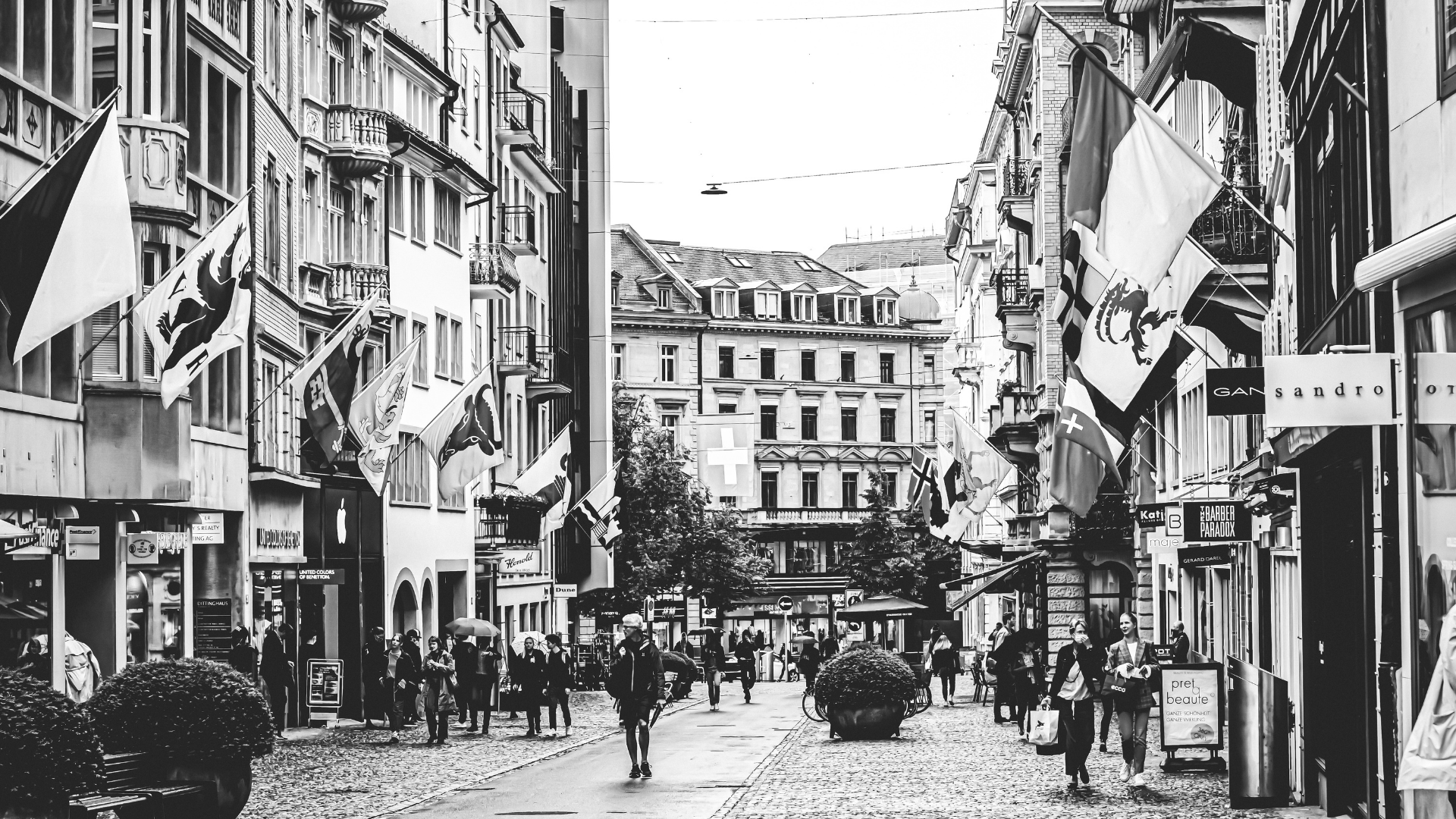
The name has nothing to do with profits. In the late 1950s and early 1960s, Philadelphia police used "Black Friday" to describe the chaos on the day after American Thanksgiving. Holiday shoppers flooded downtown, crowds poured in for the Army-Navy football game, and traffic ground to a halt. Officers couldn't take the day off.
Local merchants hated the name and even pushed for "Big Friday" instead. It didn't stick. The popular story about stores finally moving "into the black" came much later, in the 1980s. By the early 1990s, Black Friday was a national event in the United States.
A Quick History of Black Friday
How Black Friday Came to Canada
Canadians celebrate Thanksgiving in October, so why do we have Black Friday at all? Blame the border. In the late 2000s, the Canadian dollar crept close to par with the U.S. dollar, and Canadians started driving south to shop the American sales.
Canadian retailers fought back with deals of their own. A one marketing expert put it, once one big retailer started discounting, everyone else had to follow. The habit stuck, even after the loonie dropped.
One Day Became a Whole Week
In 2005, the National Retail Federation in the U.S. coined the term "Cyber Monday" for the online sales that followed Black Friday. Today, deals stretch from early November right through Cyber Monday. For shoppers, that means more time to buy. For supply chain teams, it means a longer peak season, not an easier one.
The Countdown: How Supply Chains Get Ready

1. Spring and Summer: Forecasting Demand
Planners study last year's sales, current trends and the economy to predict what people will buy and how much of it. Get it wrong one way and shelves sit empty. Get it wrong the other way and stores slash prices on leftover stock that eats their profit.
2. Summer: Sourcing and Production
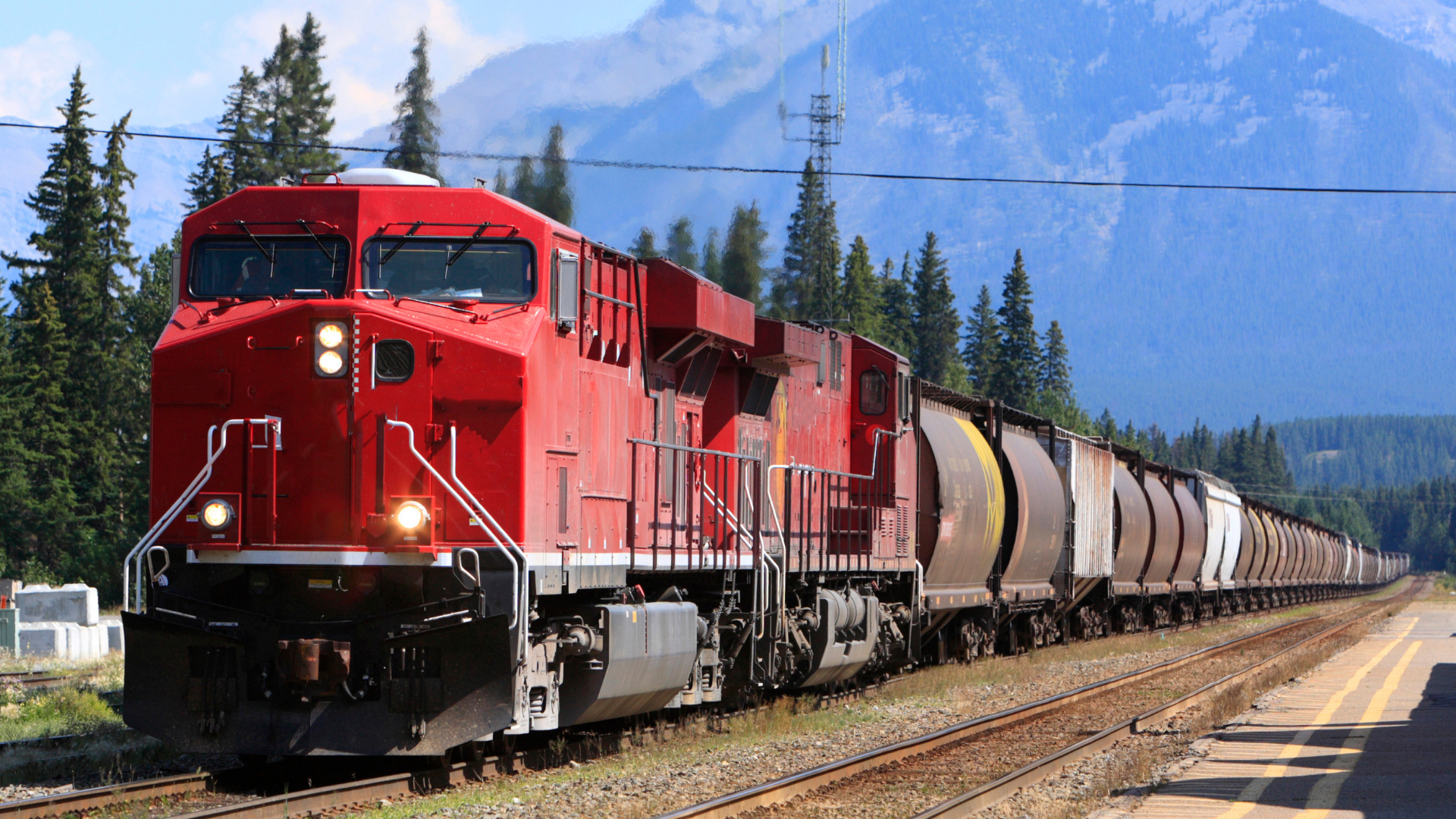
Buyers lock in orders with suppliers months ahead, often with factories overseas. Production takes time, and products shipped from Asia can spend weeks at sea before they reach a Canadian port.
3. Early Fall: Shipping and Warehousing
Containers land at West Coast ports and move by rail and truck to inland distribution hubs like Calgary. Warehouse teams reorganize their space, stage sale items close to the shipping docks and test their systems for the surge ahead.
4. November: Staffing Up and Planning for Returns
Warehouses and delivery companies hire seasonal staff and extend their hours to handle the flood of online orders. Smart teams also plan for what comes next: returns. Plenty of Black Friday purchases come back in January, and someone has to manage that reverse flow, too.
The Deals Are Just the Tip of the Iceberg
Every doorbuster you see is the final step of months of coordinated work. Demand planners, buyers, logistics coordinators, dispatchers and warehouse supervisors all play a part. When they get it right, nobody notices. The product is simply there, at the right price, at the right time. That's the whole point.
Want to Work Behind the Scenes?
If this kind of planning sounds exciting, you might belong in supply chain. New West College's Supply Chain Management & Logistics Diploma gives you the practical, job-ready skills to step into the roles that make days like Black Friday possible.
This year, while everyone else hunts for deals, start planning your next move. Explore the Supply Chain Management & Logistics Diploma
