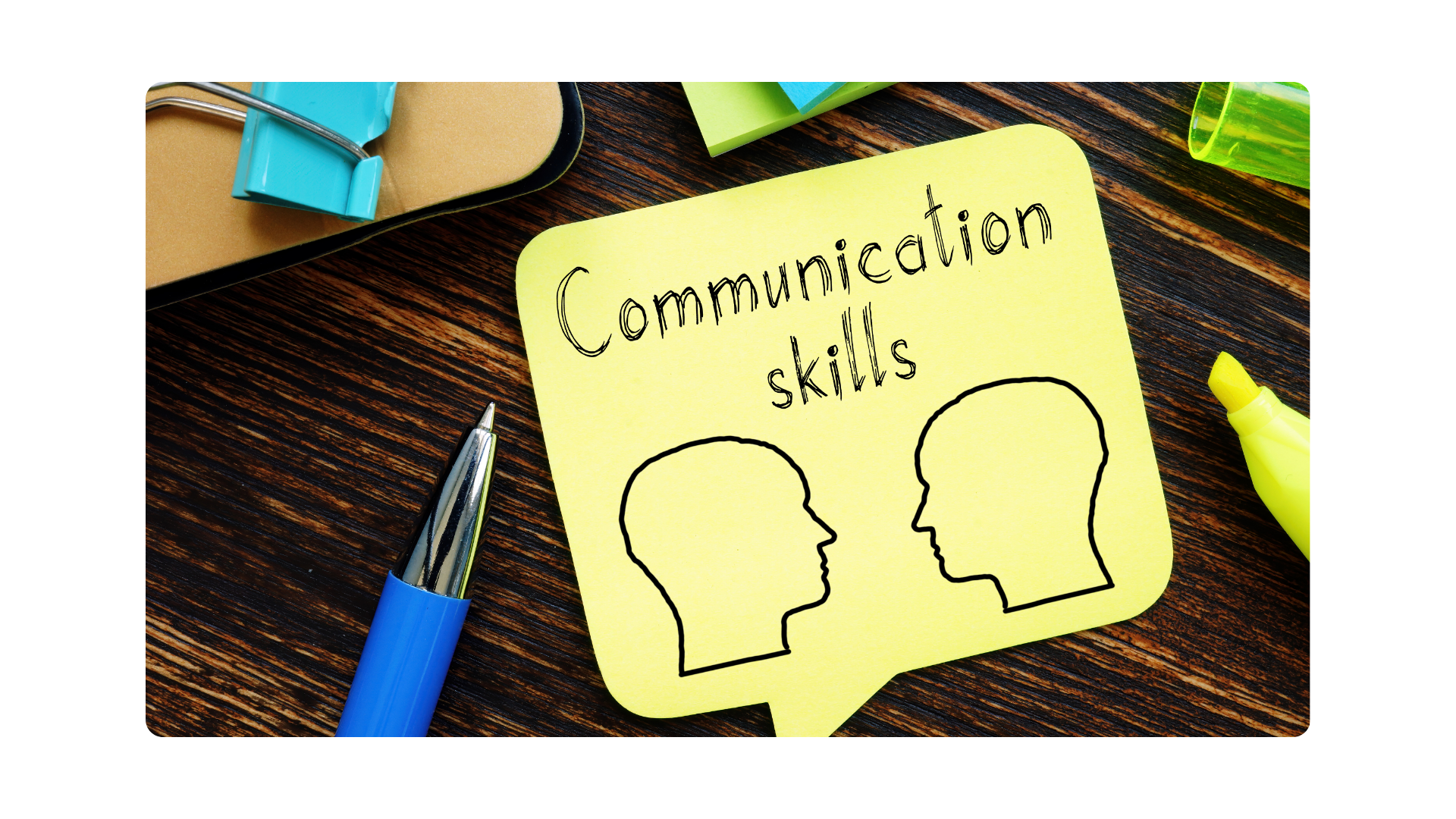
This course builds essential communication skills by helping learners understand how communication works, why it sometimes fails, and how to deliver messages clearly across verbal, nonverbal, and written channels. Participants strengthen their ability to choose the right communication medium, reduce misunderstandings, and remove common communication barriers in professional settings.
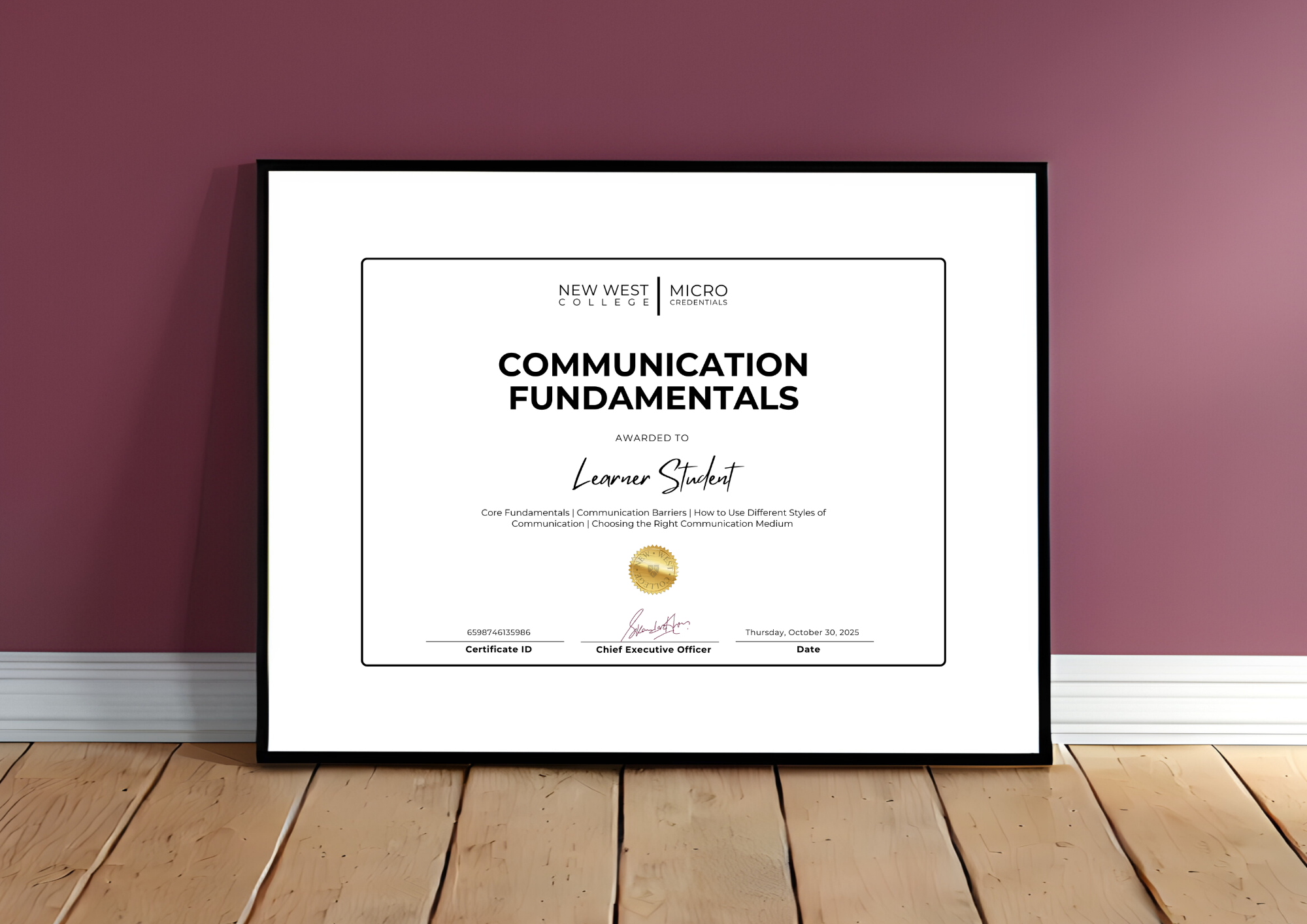
Earn this credential. Anywhere, anytime.
Learning Outcomes:
➊ Define communication as a structured process involving a sender, message, and receiver.
➋ Demonstrate effective verbal, nonverbal, and written communication techniques.
➌ Select appropriate communication mediums based on message type and situation.
➍ Recognize and remove common communication barriers.
➎ Apply communication strategies to improve collaboration, leadership, and conflict resolution.
Requirements:
There are no specific entry requirements for this Micro Credential, however, this credential is ideal for:
Professionals faced with difficult interpersonal challenges in their workplace.
Managers tasked with handling difficult conversations and handling employee conflicts.
Individuals seeking to enhance their communication skills.
Course Content:
This course begins by defining communication as a process involving a sender, a message, and a receiver. Learners examine how information is encoded, delivered, interpreted, and clarified through feedback. Through examples and workplace scenarios, they explore how communication can break down when messages are unclear, delivered through the wrong medium, not received, or misunderstood.
The course then examines why communication skills are critical to professional success. Learners explore the four defining characteristics of strong communicators: clear verbal delivery, active listening, effective writing, and awareness of nonverbal cues. The content highlights how these skills improve team collaboration, strengthen cohesion, build customer trust, enhance employee management, and support conflict resolution.
Next, learners dive into the three primary forms of communication: verbal, nonverbal, and written. They practice speaking clearly and confidently, aligning tone with message, using open and intentional body language, and writing concise, organized, grammatically sound messages. Real-world examples demonstrate how small adjustments in delivery significantly improve clarity and credibility.
The course then guides learners through choosing the right communication medium. Participants compare in-person meetings, video calls, phone conversations, and written messages, examining the strengths and weaknesses of each. They learn how urgency, emotional sensitivity, collaboration needs, and the need for documentation influence medium selection.
Finally, learners address five common communication barriers: informational, language, emotional, physical, and perceptual. They develop strategies to remove these barriers by providing clear and concise information, using simple language, managing emotions, addressing physical distractions, and maintaining an open mind toward differing perspectives. Throughout the course, scenario-based exercises reinforce how thoughtful communication reduces misunderstandings and strengthens workplace effectiveness.

20 Hours
Advanced Social Media Marketing equips learners with the skills to go from tactical posting to strategic brand storytelling. Students will leave the course ready to listen intelligently, engage meaningfully, measure precisely, and create content that connects—skills essential for any modern digital marketer.